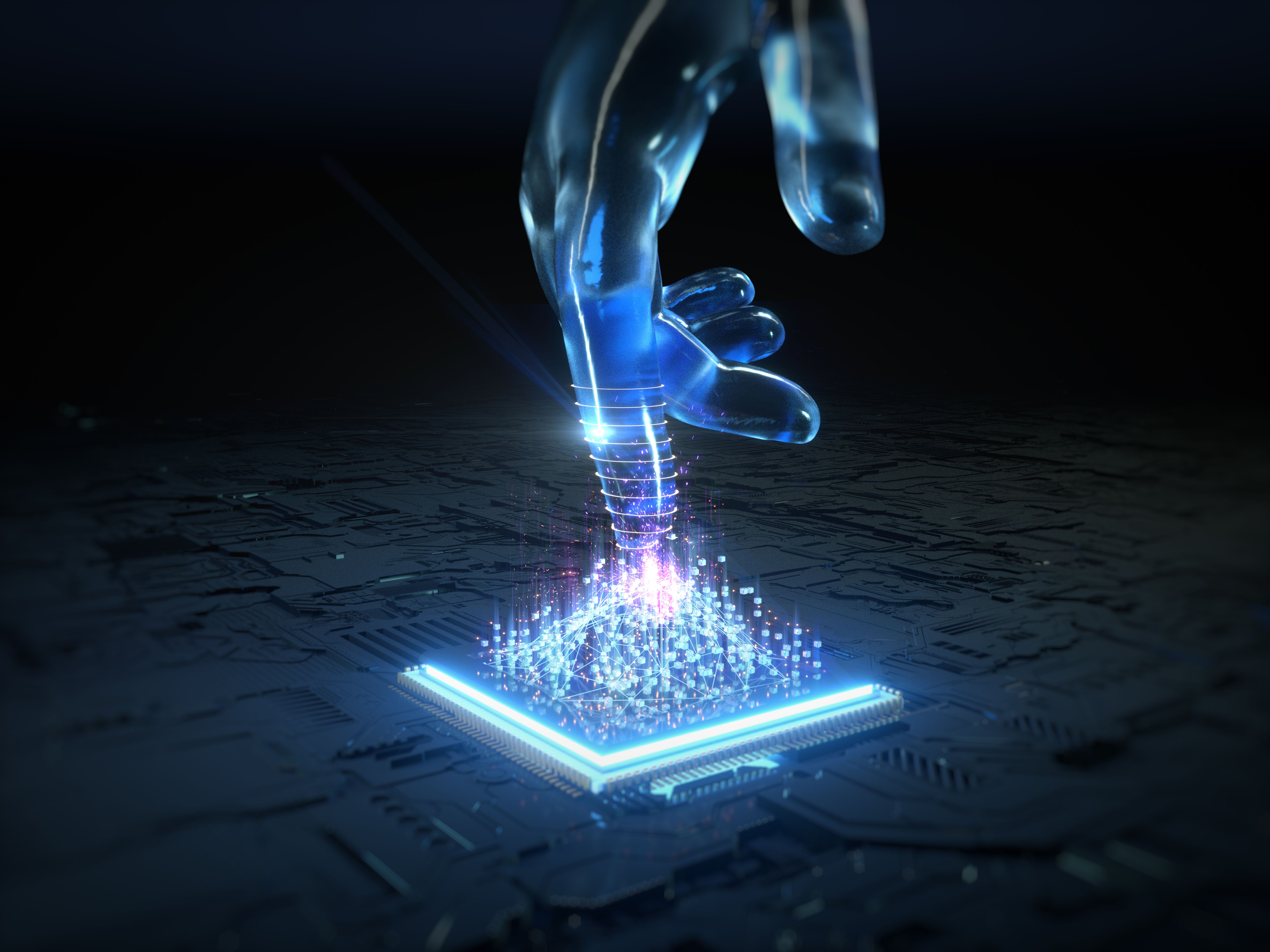
How Scientific Innovation GPT is Transforming Theoretical Models


Introduction to Scientific Innovation GPT
In recent years, the emergence of Generative Pre-trained Transformers (GPT) has revolutionized the field of artificial intelligence. These models are not only enhancing applications in natural language processing but also reshaping how scientists and researchers approach theoretical models. Understanding the impact of GPT on scientific innovation is essential for anyone involved in research and development.
GPT models are designed to process and generate human-like text through deep learning techniques. Their ability to understand context and generate coherent content is transforming how theoretical frameworks are constructed and interpreted.

Enhancing Theoretical Models with GPT
One of the most significant impacts of GPT on theoretical models is its ability to simulate complex systems. Researchers can use GPT to model scenarios and predict outcomes, providing valuable insights without the need for extensive physical experiments. This capability is particularly useful in fields like physics and chemistry, where traditional experimentation can be costly and time-consuming.
Moreover, GPT's ability to process vast amounts of data allows for the identification of patterns and trends that might be overlooked by human analysts. This data-driven approach enhances the accuracy and reliability of theoretical models, leading to more robust conclusions.
Application in Cross-disciplinary Research
GPT models are not limited to a single field of study. Their versatility makes them a powerful tool for cross-disciplinary research. For instance, in biology, GPT can assist in modeling genetic sequences, while in economics, it can simulate market trends. This adaptability fosters collaboration between disciplines, leading to innovations that might not have been possible otherwise.
Researchers can utilize GPT to build models that incorporate data and theories from multiple fields, offering a more holistic view of complex problems. This integrated approach is paving the way for breakthroughs in areas like climate change and public health.

Challenges and Considerations
Despite the transformative potential of GPT, there are challenges to consider. One major concern is the need for large datasets, which can be difficult to obtain in some fields. Additionally, the reliance on existing data may introduce biases into the models, potentially skewing results.
Ensuring the ethical use of GPT in scientific research is also crucial. Researchers must be vigilant about the implications of their models and the potential for misuse. Developing guidelines and standards for GPT applications can help mitigate these risks.
The Future of Theoretical Models with GPT
Looking ahead, the role of GPT in transforming theoretical models is poised to grow. As technology advances, we can expect GPT models to become even more sophisticated, offering deeper insights and more accurate predictions. This evolution will likely lead to new methodologies and paradigms in scientific research.
By embracing the capabilities of GPT, researchers can unlock new possibilities and drive innovation across various domains. The future promises exciting developments as GPT continues to reshape the landscape of theoretical modeling.