How Leading Technology Innovators Are Shaping the Future of Science


The Role of Technology Innovators in Scientific Advancement
In today's rapidly evolving world, leading technology innovators are playing a crucial role in shaping the future of science. By pushing the boundaries of what's possible, these pioneers are not only driving technological advancements but also transforming scientific exploration and research. Their contributions are leading to breakthroughs that were once thought impossible.
Technology innovators are bridging the gap between theoretical science and practical application, enabling scientists to explore new frontiers. From artificial intelligence to quantum computing, these technologies are enhancing our understanding of complex scientific phenomena.

Artificial Intelligence and Machine Learning
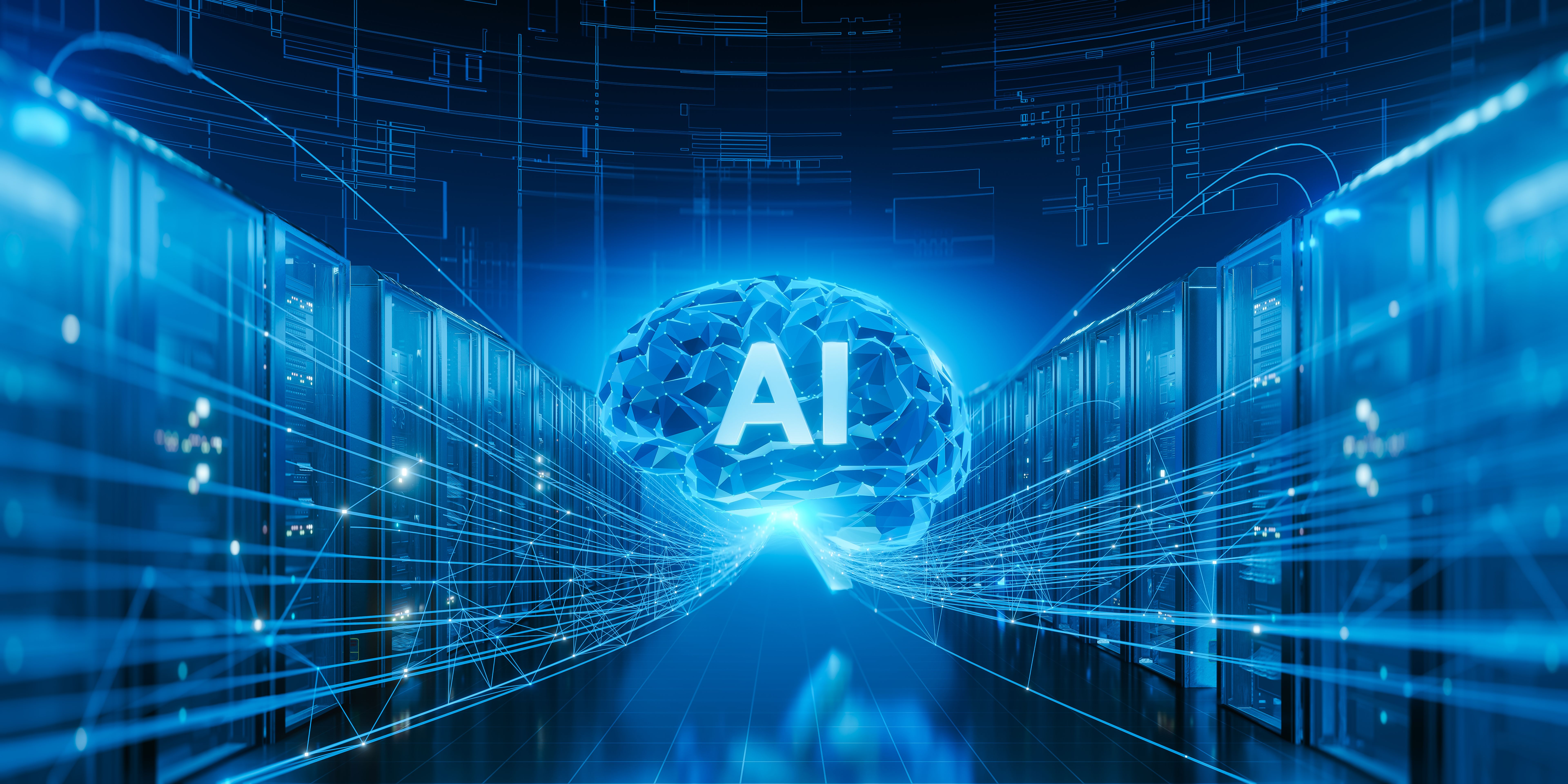
Artificial Intelligence (AI) and Machine Learning (ML) are at the forefront of technological innovation. These technologies are revolutionizing how scientists conduct research and analyze data. AI algorithms can process vast amounts of information at unprecedented speeds, identifying patterns and insights that humans might miss.
Moreover, machine learning models are being used to predict outcomes and simulate scientific experiments, saving researchers time and resources. For example, in drug discovery, AI is helping scientists identify potential new compounds faster than traditional methods.
Quantum Computing: A New Era
Quantum computing is another area where technology innovators are making a significant impact. Unlike classical computers, quantum computers use quantum bits, or qubits, allowing them to solve complex problems much faster. This capability is crucial for tackling scientific challenges that require immense computational power.
Researchers are leveraging quantum computing to enhance simulations in fields like material science, cryptography, and climate modeling. These advances are paving the way for solutions that could revolutionize entire industries.
The Internet of Things (IoT) in Scientific Research
The Internet of Things (IoT) is transforming how data is collected and analyzed in scientific research. By connecting devices and sensors, IoT enables real-time data collection and monitoring. This technology is particularly beneficial in environmental science, where it aids in tracking changes and predicting future trends.
IoT devices are also being used in laboratories to automate experiments and monitor conditions, ensuring precision and accuracy in scientific studies. This integration of IoT with scientific research is enhancing efficiency and effectiveness.

Biotechnology and Genetic Engineering
Biotechnology and genetic engineering are fields where technology innovators are making groundbreaking strides. Techniques such as CRISPR-Cas9 are revolutionizing genetic research, allowing scientists to edit genes with precision. This has vast implications for medicine, agriculture, and many other sectors.
With these technologies, researchers are developing new treatments for genetic disorders, improving crop resilience, and exploring the potential of personalized medicine. The possibilities are vast and transformative.
The Collaborative Future of Innovation and Science
As technology continues to advance, collaboration between innovators and scientists will be essential. By working together, they can tackle complex global challenges, from climate change to healthcare. This partnership is vital for driving the future of scientific discovery.
Ultimately, the synergy between technology and science holds the promise of a better, more sustainable future for all. As these fields continue to intertwine, the potential for groundbreaking discoveries and advancements grows exponentially.